
INTEREST

MOST POPULAR TOURS

Code: AR-430-LOPD
Operator: Alexander And Roberts

Code: AR-744-LOP
Operator: Alexander And Roberts
Code: AK93a3daec-7611-41d9-8dcd-e7cab999e51a-2024
Operator: Abercrombie and Kent
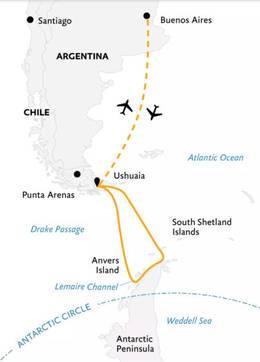
Code: QE-DTCUltra
Operator: Quark
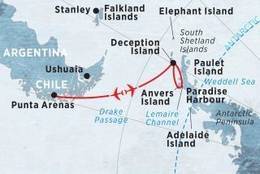
Code: P-AEFDPA
Operator: Intrepid Travel
WHY CHOOSE US?
Antarctica travel options
Antarctica Tour Packages - Antarctica Expedition Companies
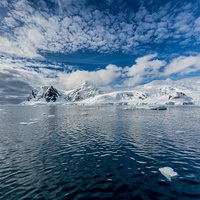
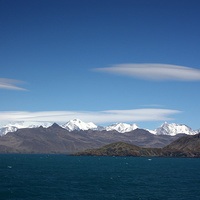
 2022 Escorted Antarctica Tours will take you to The Arctic Peninsula, which stretches in the direction of South America... It is the coldest, driest, most desolate uninhabited continent on Earth. It is visited by only scientists and adventure travelers. Over 90% of Antarctica is covered with ice and surrounded completely by water. 2022 Antarctica cruises and tours normally depart Ushuaia, Argentina or Punta Arenas, Chile one of three ways:
- Small Expedition Ship
- Luxury Ship, or...
- Fly/Cruise Combination
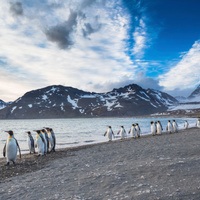
Some Antarctica cruises and tours from Ushuaia include camping in Antarctica, kayaking, whale watching, and wildlife viewing. If you are cruising to Antarctica from Ushuaia or Punta Arenas, you'll be cruising the Drake Passage or Mar de Hoces (Sea of Hoces), named after Francisco de Hoces who was a Spanish sailor who during the Loaisa Expedition in 1526 was said to precede Sir Francis Drake's expedition by over 50 years. The Drake Passage, which historians in both Argentina and Chile believe should be renamed Mar de Hoces is a 600 mile wide tumultuous body of water lying between Cape Horn and Antarctica. Some consider the voyage to be a rite of passage into Antarctica due predominantly to what is known as The Drake Shake, named after the rough seas caused by the unpredictable weather patterns. The Drake Passage Crossing takes approximately 48 hours and that's if you're traveling through favorable conditions.
Landing Rights are required in order to step foot onto Antarctica... escorted Antarctica travel companies that offer Antarctica travel packages and or Antarctica cruise tours must be members of IAATO (International Association Antarctica Tour Operators), companies that are committed in supporting and preserving Antarctica. There are a total of fifty Antarctica travel companies that are currently IAATO Members that will provide several 2022 Antarctica cruises and tours.
Here at Escorted Antarctica Tours, we only provide our customers with tour operators that are members of The IAATO, which include land as well as sea operators. We have a cruise page, that focuses on major cruise lines like Celebrity, Hurtigruten, Holland America, Hapag Lloyd, Princess, SilverSea, Seabourn, Ponant, Viking, and Crystal among others. On our Antarctica tour page, we focus on land operators like A&K, G Adventures, Lindblad, Quark, and Tauck.
Traveling to Antarctica can run a pretty penny, actually, tens of thousands of pennies, which is why it's important to know that there is much to be saved when knowing where to look...





Reviews

New York
Texas
Seattle
Latest From Our Blog
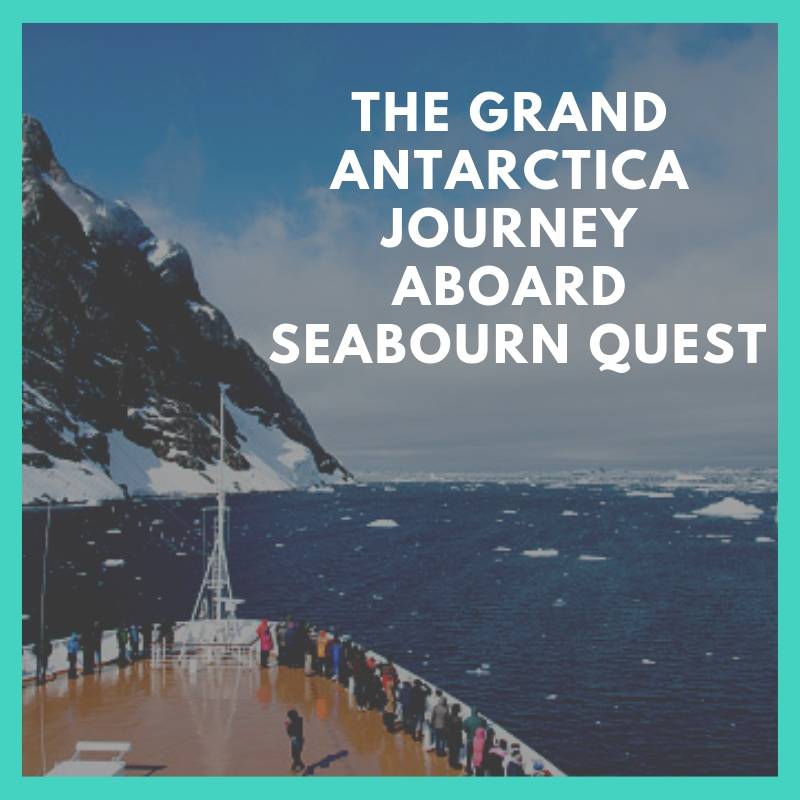
The Grand Antarctica Journey Aboard Seabourn Quest