Travel to Antarctica Before Prices Increase

Posted on Wednesday, May 05, 2010

The International Maritime Organization has banned the carrying of heavy fuel in Antarctica waters effective August 1, 2011. This will likely mean that larger ships will no longer cruise the region. Smaller expedition cruise ships are unaffected, as most of them run on marine gas oil and diesel oil, neither of which was included in the ban, but the larger ships will likely not want to incur the added expense. The number of passengers could plummet from 14,350, to just 6,400 next year. Holland America, Princess Cruises, Crystal Cruises, Celebrity Cruises, Oceania and Regent Seven Seas have all cruised the Antarctica region from South America. Celebrity has already announced that after the Infinity cruises the region next year, it will no longer send ships, instead their sister company, Azamara, will send the 700 passenger Azamara Journey to sail the region. It's too soon to know what the other cruise lines will decide, but prices are sure to increase if the capacity drops.

Antarctica Cruise :: Gerlache Strait, Antarctica

Posted on Thursday, November 19, 2009

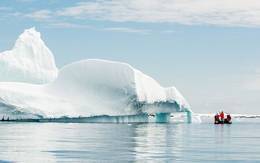
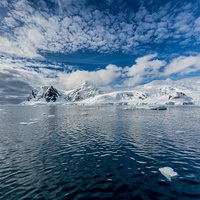
A number of geographical anomalies around this channel make these waters among the most plankton-rich in the world. So, in addition to some of the most amazing scenery polar mountains that pierce the morning fog and floating ice floes that bob in the distance - you're likely to see a profusion of whales feeding in the rich ecosystem. The sight of a 45-ton humpback whale propelling itself from the water is one you'll not soon forget.

Antarctica Cruises: Zodiac Landing Craft

Posted on Wednesday, October 21, 2009

Procedures for Zodiac Excursions

  • To participate in shore excursions by Zodiac you must attend all Zodiac briefings aboard and ashore.
  • You may not board a Zodiac unless you are properly attired.
  • Dress in several layers of clothing, topped off with a parka
  • Waterproof pants and warm headgear are necessary.
  • Wear the rubber boots that we will loan you over two pairs of socks, when the Expedition Leader informs you that the landing will be wet.
  • Carry your small belongings in a backpack so that both your hands are free to hold railings and accept assistance when embarking or disembarking the Zodiac.
  • All electronic and valuable personal equipment like cameras, videos, binoculars etc. should be packed in waterproof bags and carried in your backpack.
  • You must wear a lifejacket at all times while riding in a Zodiac.
  • You may not smoke in a Zodiac or when on shore.
  • Accept assistance when embarking or disembarking, using the sailor’s grip, which will be demonstrated at the first briefing.
  • While the Zodiac is in motion, you must remain seated with your feet on the deck.
  • Keep your body, arms and hands inside the Zodiac to avoid injuries.
  • You can make a stable platform for photography while in the Zodiac by kneeling on the floor with elbows on the pontoon.
  • Other guests are eager to take photographs too, please make way for them, when you have taken your photos.
  • When you arrive at the landing, remain seated until the driver and over the pontoon, stepping or sliding off – do not jump.
  • Re-embarkation is the reverse of the disembarkation process.

    Information from Quark Expeditions

  • Precautions While In Antarctica

    Posted on Monday, October 05, 2009

    Landings & Wildlife

    Here are a few guidelines that you will be asked to follow. More detailed instructions (IAATO [International Association of Antarctica Tour Operators] Recommendation XVIII-1 Visitors Guideline) will be provided in your final documents.

  • Listen and obey Expedition Team instructions.
  • Keep track of time. Do not delay others – return to the landing site prior to the appointed time of departure.
  • Never wander off alone or out of sight of the Team positioned ashore.
  • Maintain visual contact with Team members.
  • Do not walk onto glaciers – there may be hidden crevasses.
  • No smoking ashore.
  • No littering, souvenir collecting, or urinating ashore.
  • Avoid taking items ashore that could become accidental litter: film boxes, tissues, etc.
  • Anything that you carry to a landing should be returned to the ship.

    Safe Behavior Near Wildlife

    Do not touch animals.

    Keep a minimum distance of 5 meters (15 feet) from all animals – especially nesting birds.

    If an animal’s behavior changes – you are too close. Although the animal may not show obvious fear, they could still be distressed. Remember, if bird leaves its nest, the eggs or chicks are at risk.

    Fur seals are usual dangerous, therefore keep a greater distance than 5 meters from them at all times.

    Always give wildlife the right of way.

    Avoid coming between an animal and the shore or ocean.

    Be Aware of Your Surroundings

    Move slowly and always check behind you.

    Birds flying or calling overhead signifies you are too close to a nest or young chicks. Retrace your steps the way you came.

    Do not make sudden movements.

    Keep quiet – do not make loud or sudden noises.

    Keep low if possible – you will appear less threatening to animals and it will also yield better photographs for you.

    Do not try to make an animal react for a photograph.

    Patience yields the best rewards.

    Standing still for long periods of time can be of great benefit when viewing wildlife.

    Protecting Fragile Vegetation

    Avoid walking on moss beds, lichens, or grasses. They are very delicate and slow growing.

    Always wash your boots on the ship before and after each landing.

    Leave nothing but foot prints.

    BASIC PRINCIPLE

    Do not disturb wildlife, historical remains on the landscape
    .
  • Information provided by Quark Expeditions.

    Antarctica Travel

    Posted on Wednesday, September 09, 2009

    Combating Motion and Seasickness

    You should anticipate some rough seas. Therefore we suggest that you ask your physician to prescribe for your phenergan (promethazine) 25mg tablets as this has shown in scientific studies and real-time experience on ships to be the best medicine to prevent seasickness. Before you leave home please read the dosage instructions, because to be effective most preventive seasickness medicine must be ingested while you are still feeling well. Please carry enough medication for the duration of the voyage.

    The motion sickness medication that is available on board is for emergencies only. To avert motion sickness, avoid alcohol, tobacco, excess liquids, and confined spaces. Most people feel better on deck looking at the horizon or lying still with their eyes shut. You will definitely feel better with some food in your stomach, such as dry toast or crackers.

    Tour Quick Search
    Select Your Travel Dates:
    Length Of Trip:
    Price Range:
    Click here for travel specials.

    Subscribe via RSS

    RSS Subscribe to this blog:
    Posts | Comments
    Newsletter Signup

    Other Travel Options

    Current Tour Specials